- Connect With Us!
- +92 345 3230843
- +971 54 454 5232
- solutions(at)eispak.com

Comprehensive Guide to Fire Extinguishing and Suppression Systems in Pakistan, Asia, and the Middle East

LPG Sector in Saudi Arabia: Market Overview,
September 4, 2024
How Does a Wet Chemical Fire System Work in the Kitchen? Check it out 👇🏻
March 20, 2025Fire safety is paramount in residential, commercial, and industrial settings across Pakistan, Asia, and the Middle East. Implementing the right fire extinguishing and suppression systems not only safeguards lives but also protects valuable assets. This article explores the key systems, their processes, and usage.
Fire Extinguishing System
A fire extinguishing system is a broad term encompassing various methods and technologies designed to detect and extinguish fires. These systems are integral in preventing fire escalation and minimizing damage. Commonly used extinguishing agents include water, foam, dry chemicals, and gases.
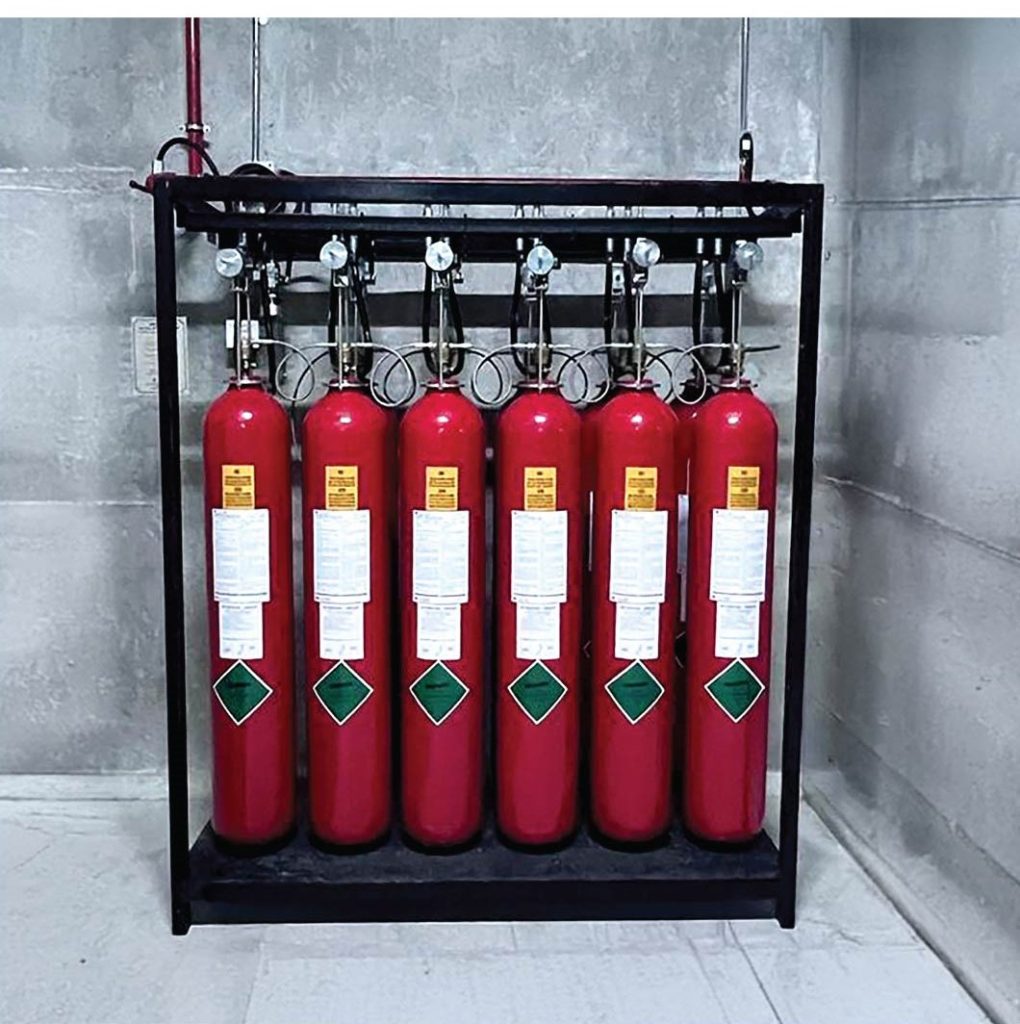
Process:
- Fire detection via sensors or manual alarms.
- Activation of the extinguishing system.
- Discharge of the extinguishing agent to suppress or extinguish the fire.
Usage:
- Residential buildings
- Commercial offices
- Industrial plants
Fire Suppression System
Fire suppression systems are advanced setups designed to detect and extinguish fires automatically. These systems are typically employed in areas where water-based systems might not be effective or could cause damage.
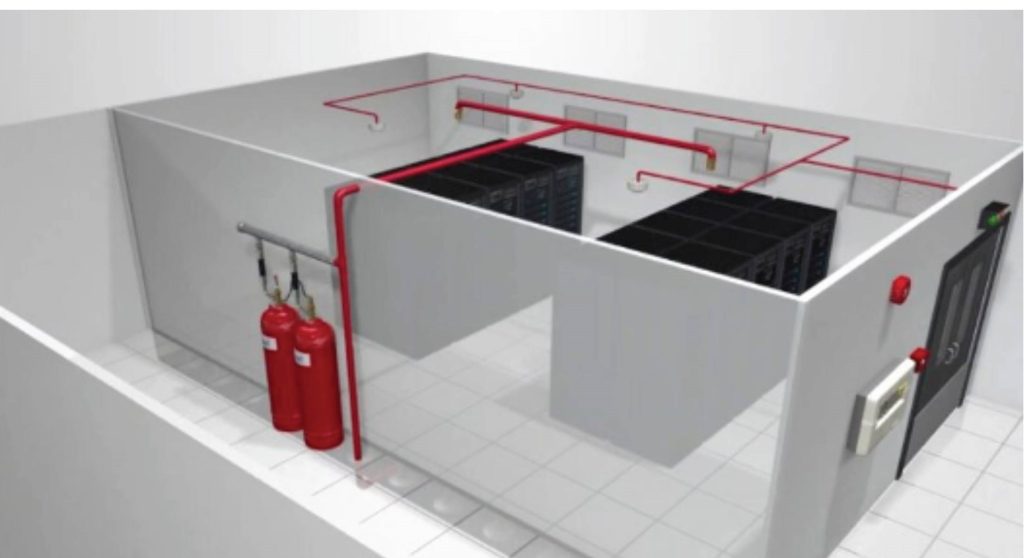
Process:
- Continuous fire monitoring through detectors.
- Automatic activation upon detection of smoke or heat.
- Release of specialized suppressants like gases or chemicals.
Usage:
- Data centers
- Power plants
- Archives and museums
FM200 Extinguishing System
FM200 is a clean agent fire suppressant known for its efficiency and safety. It is environmentally friendly and leaves no residue, making it ideal for sensitive environments.
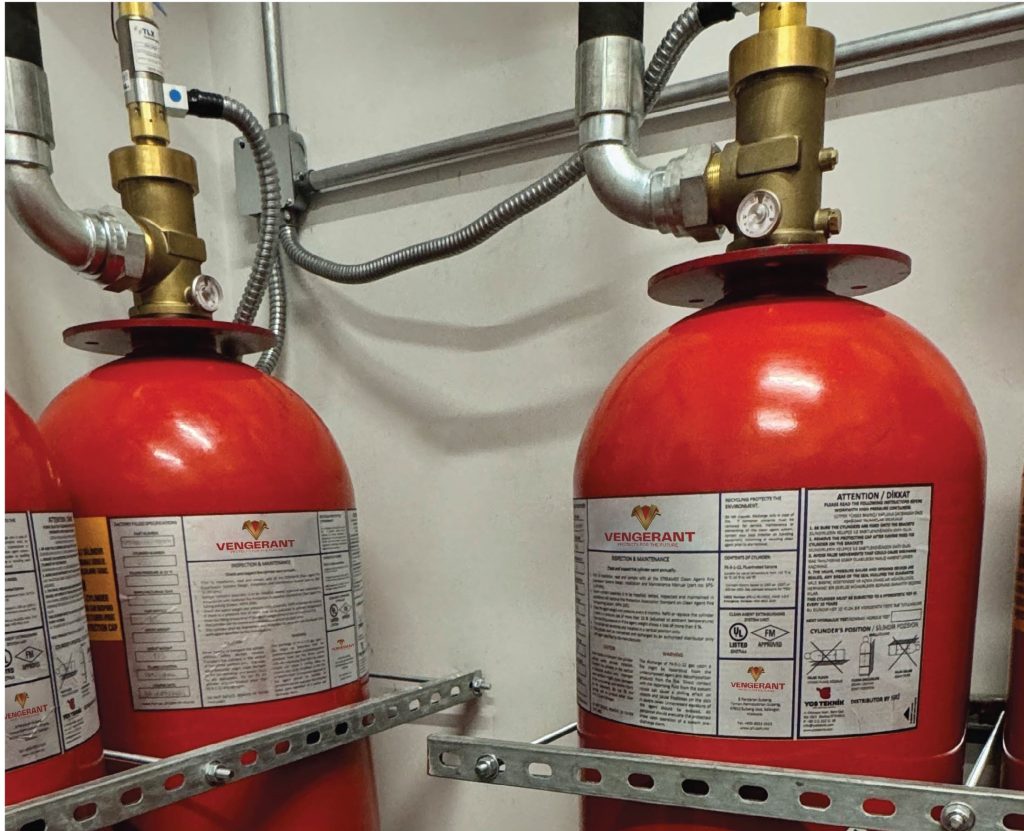
Process:
- Fire detection triggers the release of FM200 gas.
- The gas rapidly reduces oxygen levels to suppress the fire.
- The area is left free of any residue or water damage.
Usage:
- Server rooms
- Telecommunication facilities
- Medical laboratories
Wet Chemical Extinguishing System
This system is specifically designed for fires caused by cooking oils and fats. It is commonly used in commercial kitchens also known as kitchen fire suppression system or kitchen fire extinguishing system.
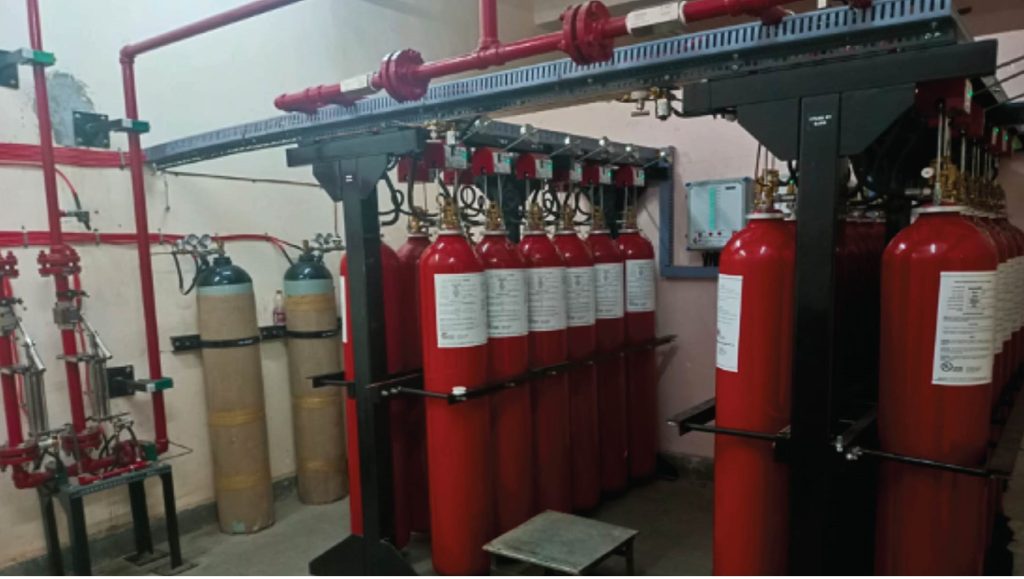
Process:
- Detection of fire in cooking areas.
- Discharge of wet chemical agents to cool the flames and form a protective barrier.
- Prevention of re-ignition.
Usage:
- Restaurants
- Hotels
- Industrial kitchens
CO2 Extinguishing System
Carbon dioxide (CO2) systems are highly effective for electrical and flammable liquid fires. They displace oxygen in the environment, suffocating the fire.
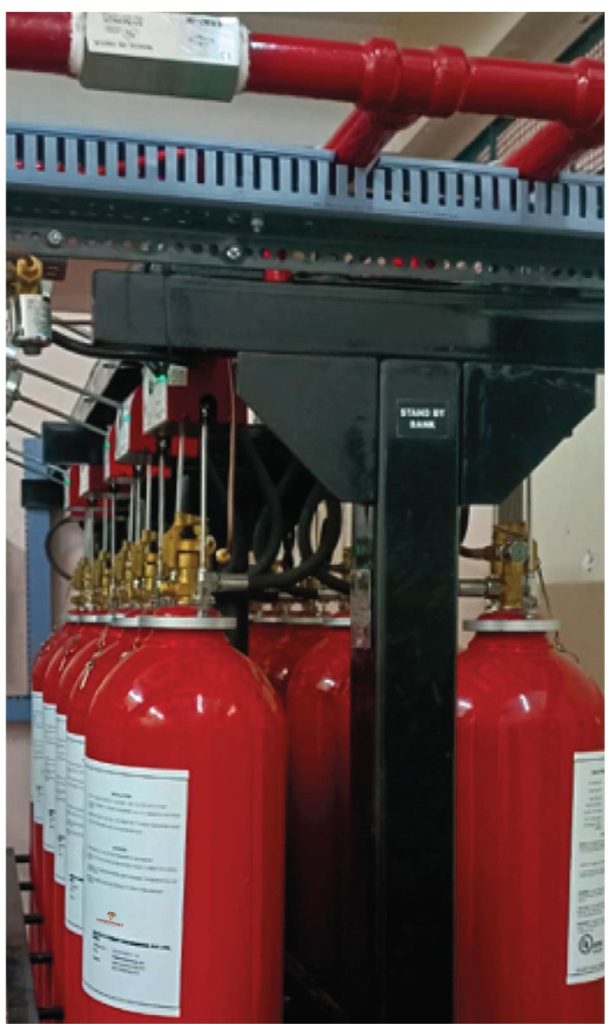
Process:
- Fire detection activates the CO2 system.
- CO2 is released, rapidly reducing oxygen levels.
- Fire is extinguished without leaving any residue.
Usage:
- Power generation plants
- Chemical storage areas
- Electrical substations
Kitchen Fire Suppression System
This specialized system is designed to address fires originating in kitchen equipment such as stoves, ovens, and fryers. It uses chemical agents to cool and suppress fires.
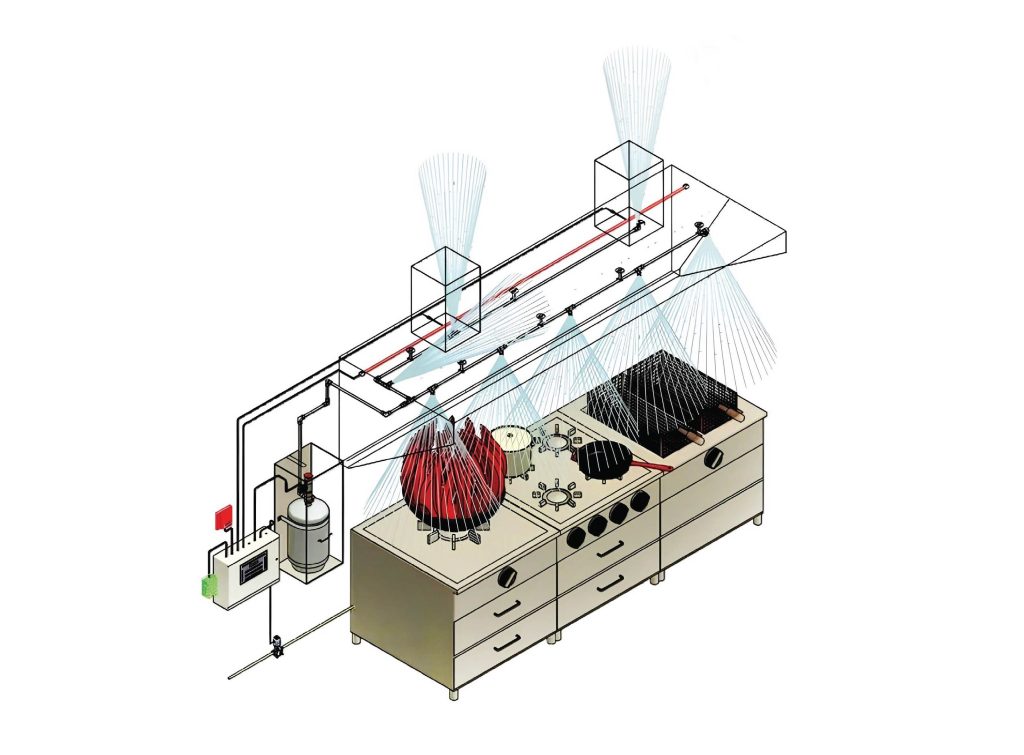
Process:
- Detection of high heat or flames in kitchen areas.
- Activation of suppression agents that cool and smother the fire.
- Automatic or manual shut-off of fuel supply to prevent escalation.
Usage:
- Commercial kitchens
- Cafés
- Catering businesses
Kitchen Fire Extinguishing System
Similar to the suppression system, this system focuses on extinguishing kitchen fires but is often manually operated. It is a cost-effective solution for small to medium-sized kitchens.
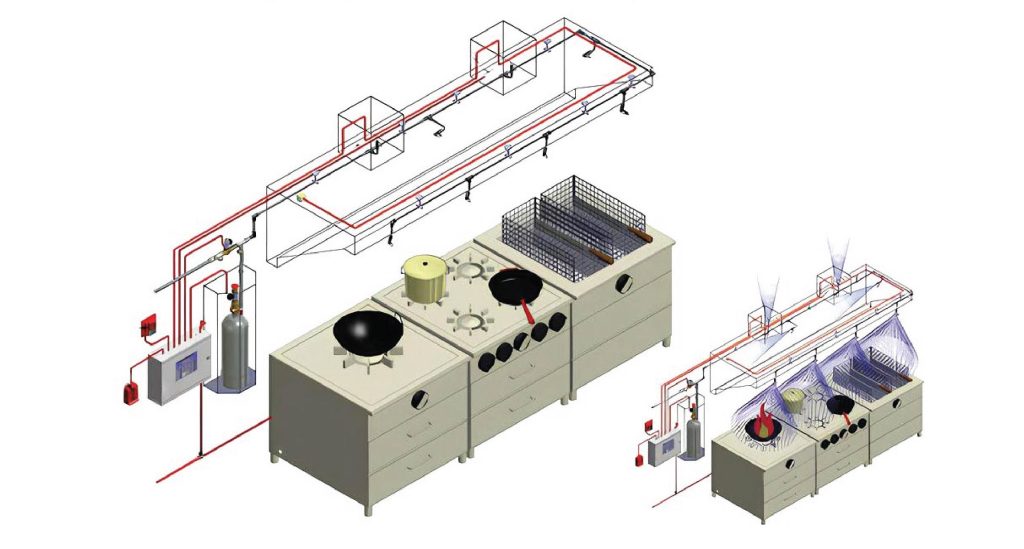
Process:
- Manual detection and activation.
- Discharge of chemical agents or foam.
- Fire is extinguished, and re-ignition is prevented.
Usage:
- Small restaurants
- Residential kitchens
- Mobile food units
Regional Adoption
In Pakistan, Asia, and the Middle East, industries and governments are increasingly emphasizing fire safety compliance. FM200 and CO2 systems are popular in data centers and industrial plants, while wet chemical and kitchen systems are extensively adopted in hospitality sectors. Leading companies in these regions are integrating advanced fire suppression technologies to enhance safety and meet international standards.
Excel Industrial Services: A Trusted Provider
Excel Industrial Services offers a wide range of fire extinguishing and suppression systems across Pakistan, Asia, and the Middle East. With expertise in FM200, CO2, wet chemical, and kitchen fire suppression systems, the company is a trusted partner for ensuring fire safety in residential, commercial, and industrial settings. Excel Industrial Services provides end-to-end solutions, including installation, maintenance, and compliance with international standards.
Conclusion
Implementing the right fire extinguishing and suppression systems is vital for ensuring safety and protecting assets. From FM200 to kitchen-specific systems, each technology offers unique advantages tailored to different environments. Businesses and organizations in Pakistan, Asia, and the Middle East should prioritize fire safety by adopting these systems and ensuring regular maintenance. Excel Industrial Services stands ready to support these efforts with reliable and efficient fire safety solutions.